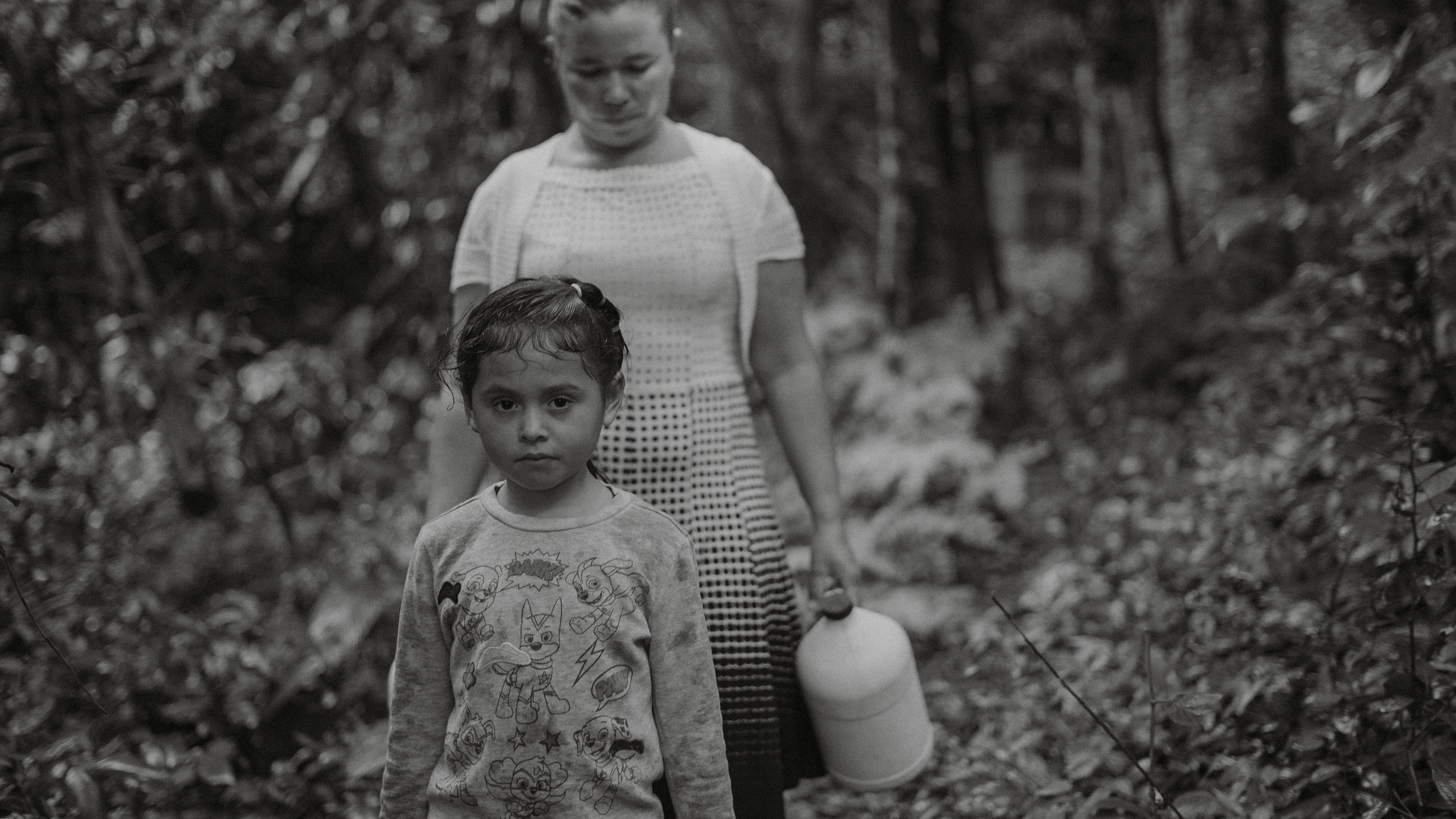
For years, getting water was one of the hardest tasks for the families of Las Pilas, a community located in western Honduras. In this place, turning on a tap inside the home was unimaginable. There were no pipelines or constant access to safe water, so women and children had to walk up to 45 minutes along steep paths to reach a natural spring or the old community water basins.
Every day began with buckets, water containers, and long walks.
“There were times when I went twice a day: in the morning and at noon, because in the afternoon it was scary to go. We carried the containers on our heads or shoulders, and many times we came back with only half because the water spilled along the way,” recalls Karla López, mother of Briana, a 3-year-old girl.
The journey was not only exhausting, but also dangerous. The same road used by vehicles was the route mothers and children had to take to fetch water.
“We never let the children go alone, but we still had to go, because without water you cannot live,” says Mercy Lemus.
Living With Water, But Without Safe Water
In many homes, rainwater or water collected from wells was used for cooking, bathing, and washing clothes. However, it was not safe for human consumption. Gastrointestinal illnesses were common among children in the community.
“They got sick very often because the water they managed to get was not healthy,” explains Yaudi Saavedra, Development Facilitator at World Vision Honduras.
The situation became so critical that some families decided to leave the community altogether.
“There were families who sold their land and left because there was no water. It was impossible to live like that,” says Rafael, a member of the Las Pilas Water Committee.
A Dream Shared by the Entire Community
Access to safe drinking water continues to be one of the greatest challenges for thousands of rural families in Honduras. According to ENDESA-MICS 2019 data, 68% of rural families do not have access to safe water. Las Pilas was one of those communities. Its old aqueduct had been built more than 25 years ago and no longer met the population’s needs. The system had collapsed, and only a few families received water occasionally. Five years ago, during a community gathering with World Vision Honduras, residents imagined what they wanted their community to look like in the future. Among all the needs identified, one request kept being repeated:
“We want a water project that supplies everyone.”
Although it seemed like a distant dream, the community refused to give up. For years, they searched for solutions: exploring nearby springs, trying to dig wells, and even purchasing a water source that they ultimately could not keep.
“We searched everywhere, but there are no large springs here. We had to keep insisting and knocking on many doors,” Karla shares.
When Hope Turns Into Action
Driven by faith and the desire to transform their community, the people of Las Pilas found an ally in World Vision Honduras through the WASH project and funding from the Canada Gift Catalog, together with the Municipality of Nueva Frontera and the Franciscan Sisters. The community actively participated in every stage of the project, from design to construction, contributing labor, materials, and commitment.
“It was a long process, but with God’s help and the support of everyone who joined us, we managed to bring water into our homes,” says Karla.
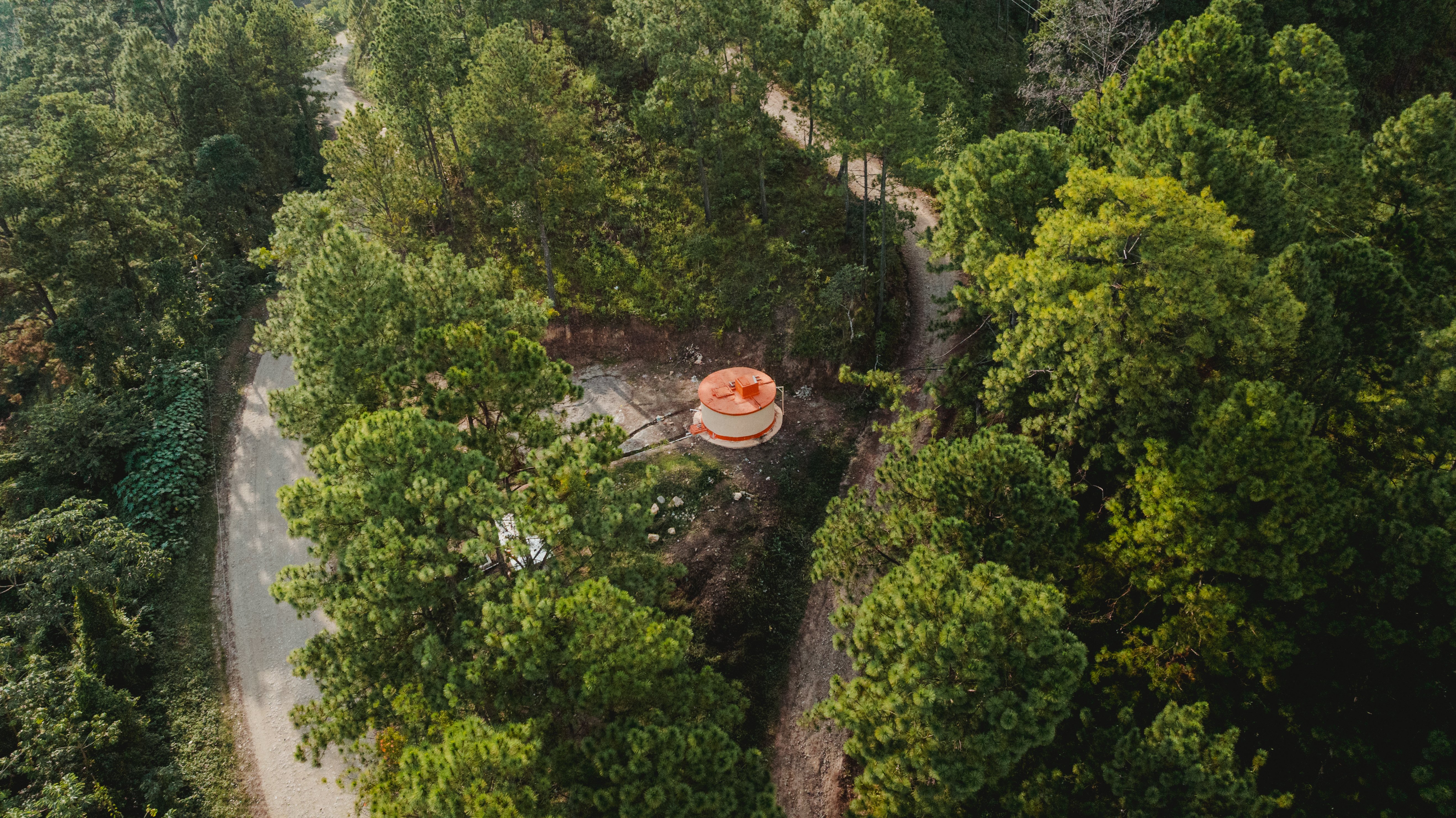
The new system was designed to operate by gravity, taking advantage of the area’s topography. The water source, known as “Mal Paso,” is located more than five kilometers from the community. From there, the water travels through a 5,100-meter pipeline to a 5,000-gallon storage tank. It is then distributed through a 1,910-meter network that currently supplies 42 households, benefiting 210 people and with the capacity to meet future demand over the next 20 years.
“Now Water Lives With Us”
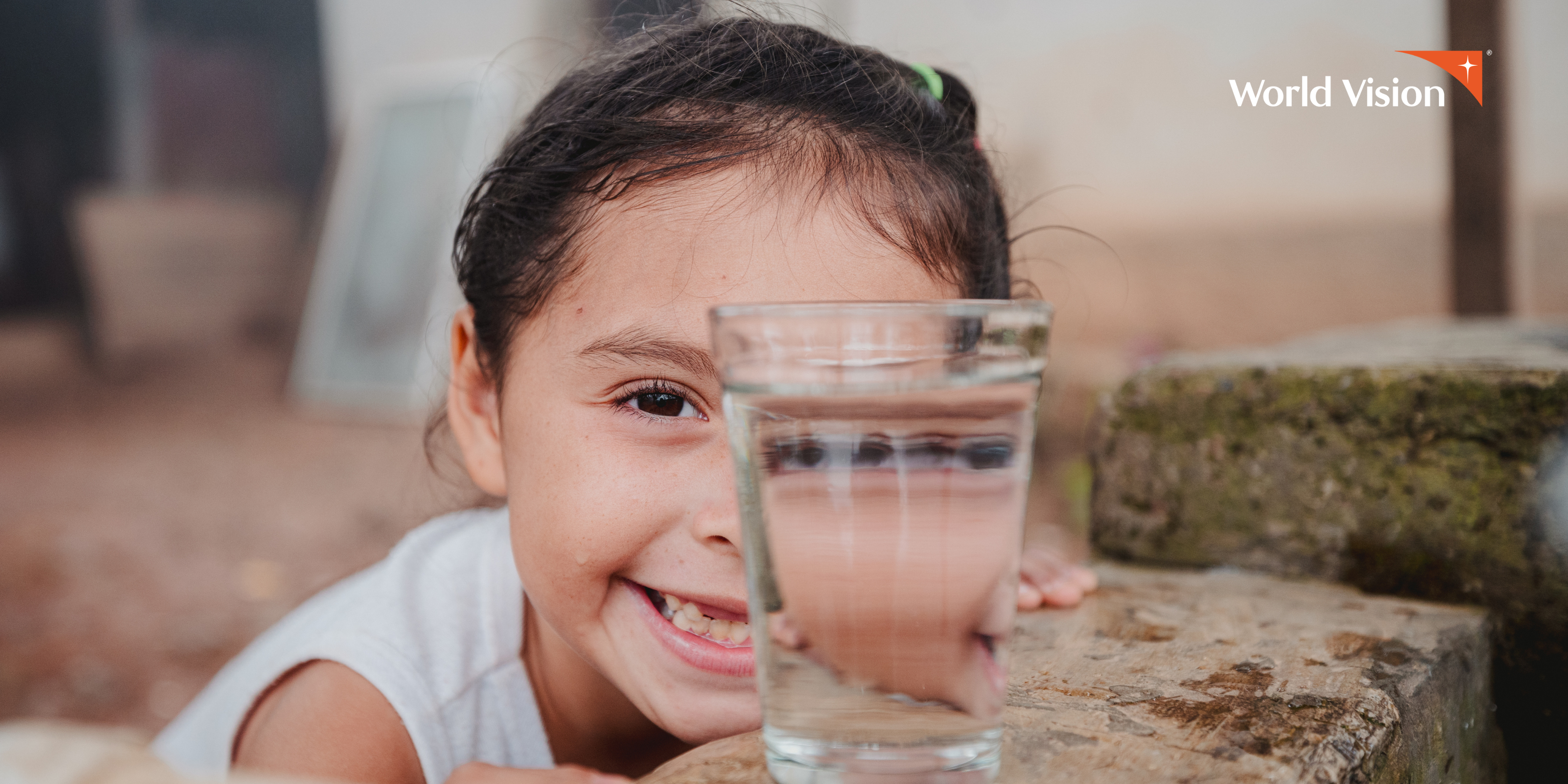
Today, life in Las Pilas is different. The sound of water flowing from household taps now mixes with the voices of children playing near their homes. Families no longer need to walk long distances or carry heavy buckets under the sun or rain. They now have access to clean water every day, and illnesses related to contaminated water have decreased.
Karla experiences this transformation daily with her daughter.
“Before, we spent a lot on diapers and wipes for our daughter because there was no water to wash clothes. Now we have water every day, and that changes everything.”
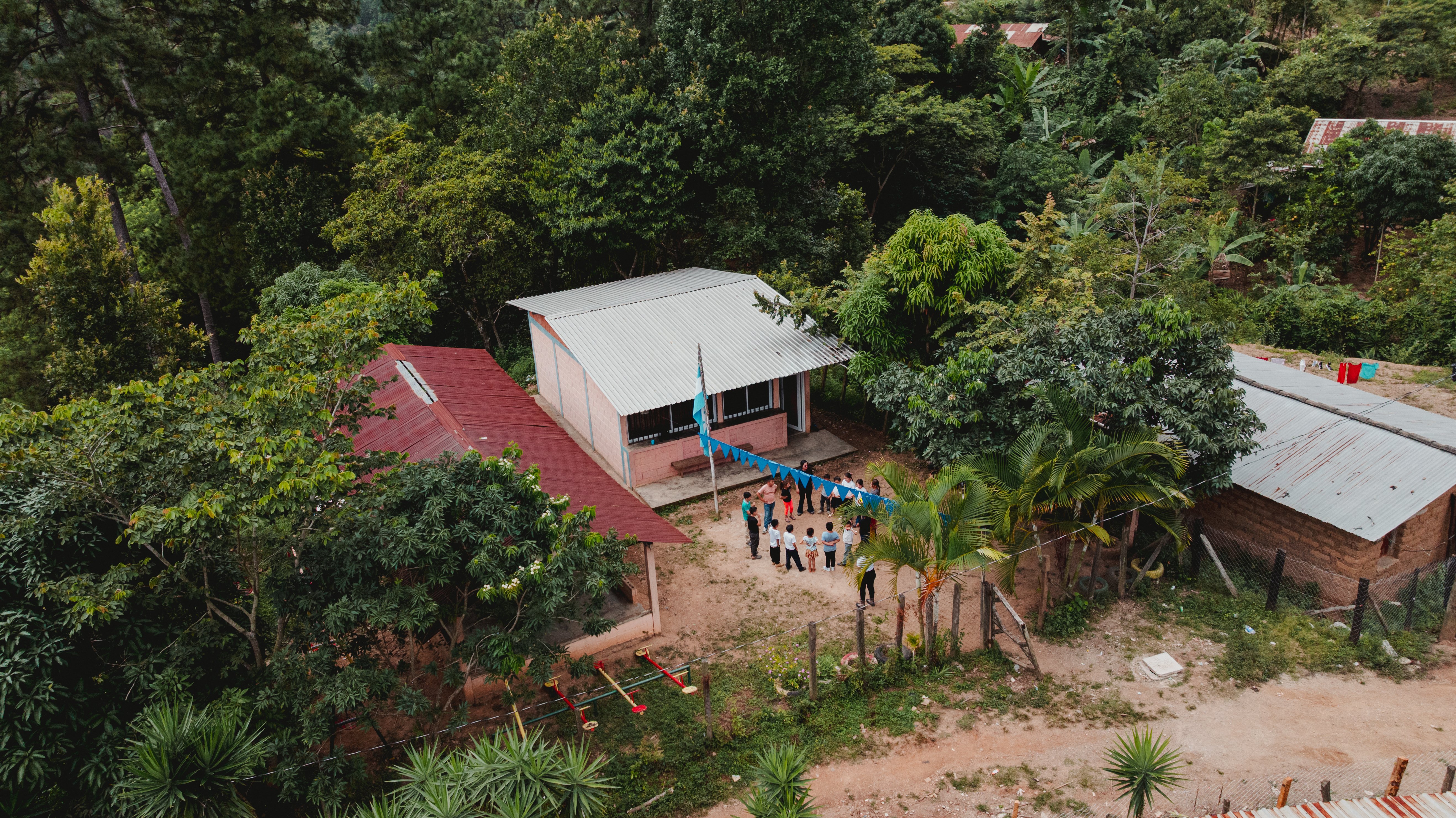
Although the community school still faces challenges and needs proper facilities so children can safely use bathrooms, access to water represents a new beginning. The community is already working toward building new bathrooms, convinced that water also opens the door to healthier and more dignified education.
A Community Looking Toward the Future
Beyond bringing water into homes, the project strengthened community unity. Every trench dug, every pipe installed, and every shared effort became a symbol of hope and teamwork.
Las Pilas has gone from being a community marked by scarcity to one that now looks toward the future with greater dignity, health, and opportunity.
Because for its residents, water did not only transform their daily routines. It also transformed their hope.